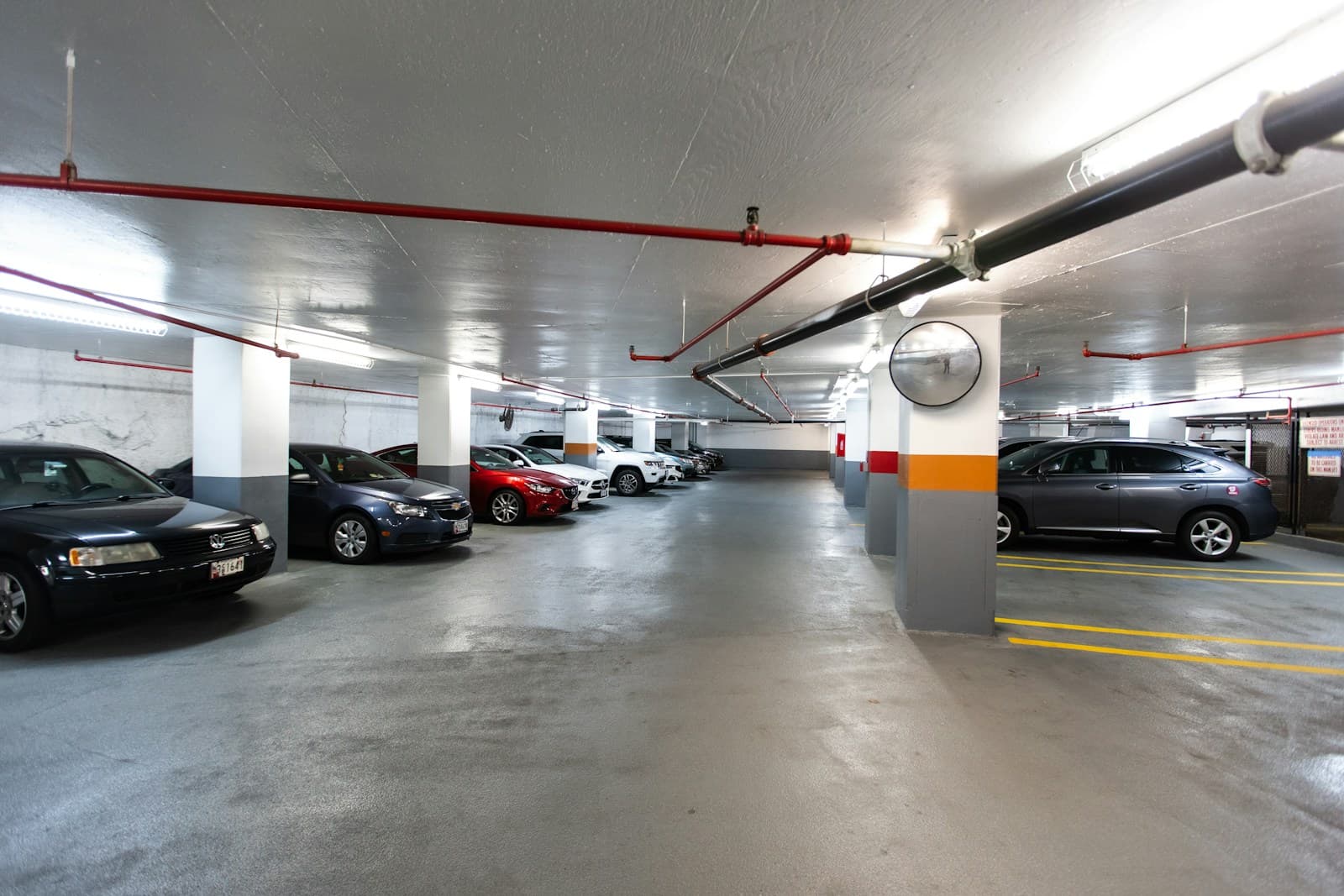
Most drivers assume storing a car in a garage automatically lowers premiums, but carriers reduce rates only 2-5% while still requiring full coverage if you're financing — here's what actually changes and what doesn't.
Why Garage Storage Reduces Premiums Less Than Expected
If you're storing your car in a garage and expecting a significant rate drop, you'll likely be disappointed. Industry data suggests garage storage typically reduces comprehensive and collision premiums by 2-5% compared to street parking, not the 10-20% many drivers assume when they call for a quote adjustment.
The modest discount exists because garages reduce specific risks — theft, vandalism, hail damage, and animal strikes — but don't eliminate the primary cost drivers insurers use to set rates: your driving record, annual mileage, vehicle value, and zip code risk profile. A car garaged in Detroit still faces higher theft risk than one parked on the street in rural Vermont.
Carriers apply the garage discount only to physical damage coverages (comprehensive and collision), not to liability, which makes up 40-60% of a full coverage policy for most drivers. This means even a 5% reduction in comp and collision translates to roughly a 2-3% decrease in your total monthly premium — potentially $3-8/mo for a driver paying $150/mo. collision coverage
When Garage Storage Actually Changes Your Coverage Needs
The real coverage decision tied to garage storage isn't about discounts — it's about whether the vehicle is in active use or long-term storage. If you're parking a financed car in your garage overnight and driving it daily, your lender still requires full coverage regardless of where it's stored. The garage discount applies, but your coverage requirements don't change.
The moment your coverage needs shift is when the car enters true storage: seasonal vehicles driven fewer than 3-4 months per year, project cars not yet roadworthy, or spare vehicles kept for occasional use. Once annual mileage drops below approximately 2,500-3,000 miles, most carriers allow you to switch to storage or laid-up coverage, which typically costs $10-25/mo compared to $80-150/mo for standard full coverage.
Storage coverage maintains comprehensive protection (fire, theft, vandalism, weather damage) but drops liability and collision entirely, since the vehicle isn't being driven. This switch is only possible if you own the car outright — any active loan or lease requires continuous full coverage even if the vehicle sits unused for months.
Compare auto insurance rates in your state
Get matched with licensed carriers in minutes. One short form, real quotes, no obligation.
Get Your Free Quote✓ Free to Compare✓ No Obligation✓ Licensed Carriers✓ TCPA Compliant
The Coverage Trap: When 'Stored' Doesn't Mean 'Not Driven'
Most coverage disputes around garaged vehicles stem from drivers misunderstanding what qualifies as storage coverage. Parking your daily driver in a garage at night does not make it a stored vehicle — you still need a standard policy with liability, collision, and comprehensive coverage.
Storage or laid-up policies explicitly exclude coverage while the vehicle is being operated. If you maintain storage coverage to save money but drive the car occasionally — even once a month for maintenance or errands — you have zero liability protection during that drive. If you cause an accident, your carrier will deny the claim and you'll be personally liable for all damages and injuries.
The safe middle ground for vehicles driven occasionally is maintaining liability coverage year-round (required in most states for any registered vehicle) while adjusting physical damage coverage based on use. If you drive the car 8-10 times per year, keeping liability plus comprehensive (without collision) typically costs $35-60/mo and provides legal operation without the risk of a coverage gap.
How to Actually Lower Premiums for a Garaged Vehicle
The garage discount itself is automatic once you notify your carrier of the storage location, but the larger savings require active policy adjustments. If your vehicle is paid off and you're storing it seasonally, contact your insurer to switch to comprehensive-only or storage coverage — this change typically reduces premiums by 70-85% compared to full coverage.
For daily drivers kept in a garage, the premium reduction strategy focuses on bundling and mileage verification rather than storage location. Carriers offer low-mileage discounts of 5-15% if annual mileage drops below 7,500-10,000 miles, and many now use telematics or odometer photo verification to confirm reduced use. Pairing garage storage with verified low mileage can reduce total premiums by 8-12% rather than the 2-3% from garage storage alone.
Drivers storing multiple vehicles should also verify their policy allows you to maintain coverage on a laid-up car without it counting as a rated vehicle. Some carriers let you keep a stored vehicle on your policy at the storage rate without affecting your multi-car discount, while others require you to list it as a rated vehicle or remove it entirely — which can eliminate your multi-vehicle discount and cost more than the storage coverage saves.
State Registration Rules That Affect Coverage Decisions
Where garage storage impacts coverage most significantly is in states with continuous insurance requirements tied to registration. In states like New York, North Carolina, and Virginia, you cannot reduce to storage coverage without surrendering your plates — meaning you'd need to re-register and pay fees when you want to drive the vehicle again.
In these states, drivers storing seasonal vehicles face a choice: maintain minimum liability coverage year-round (typically $40-70/mo) to keep the registration active, or cancel insurance and surrender plates each off-season (saving on premiums but paying $50-100 in re-registration fees and facing a coverage gap that may increase future rates). For vehicles stored 6+ months annually, surrendering plates usually saves $150-300 over the storage period even after accounting for re-registration costs.
States without continuous insurance laws (like Wisconsin, New Hampshire, and Mississippi) allow you to drop to storage coverage or cancel insurance entirely without surrendering registration, giving you more flexibility to reduce coverage during storage periods. Verify your state's rules with your DMV before making coverage changes — assuming you can drop coverage while keeping your plates can result in registration suspension and reinstatement fees of $50-250.
What Comprehensive Coverage Actually Protects While Stored
When you reduce a garaged vehicle to comprehensive-only or storage coverage, understanding what remains covered prevents surprises during claims. Comprehensive coverage pays for theft, fire, vandalism, falling objects, glass breakage, animal damage, and weather events (hail, flood, wind) regardless of whether the vehicle is driven or stored.
What comprehensive doesn't cover: damage from the garage structure itself collapsing (that's a homeowners insurance claim), mechanical breakdown or wear (not an insurable event), pest damage to wiring or upholstery (typically excluded unless directly tied to a covered peril), or damage occurring while the vehicle is being driven (requires collision and liability coverage).
The practical coverage gap most drivers miss is that comprehensive covers theft of the vehicle but may limit coverage for theft of parts or accessories depending on your policy terms. If you're storing a classic car or modified vehicle with valuable aftermarket parts, verify your policy includes custom equipment coverage or increase your comprehensive limits accordingly — standard policies typically cap aftermarket coverage at $1,000-1,500 unless you purchase additional protection.