Pennsylvania's minimum coverage costs $59–$78/mo on average, but 30% of drivers who choose it end up paying more after their first claim. Here's how to decide if bare minimums actually save you money.
What Pennsylvania Law Actually Requires
Pennsylvania's minimum auto insurance requirements are among the lowest in the Northeast: $15,000 bodily injury per person, $30,000 per accident, and $5,000 property damage — commonly written as 15/30/5. You'll also need to choose between Full Tort and Limited Tort, a decision that dramatically affects your ability to sue for injuries but doesn't change the minimum liability limits.
These minimums apply only if you reject optional First Party Benefits coverage. If you accept even the lowest First Party Benefits package — $5,000 medical benefits — your bodily injury minimums jump to 25/50/25. Most insurers structure their quotes this way by default, so the absolute floor isn't always what you're actually offered.
Pennsylvania does not require uninsured motorist coverage, collision, or comprehensive. You can legally drive with just liability at 15/30/5 if you waive medical benefits and accept Limited Tort. That combination typically costs $59–$78/mo for a driver with clean history in most Pennsylvania counties, but it leaves significant exposure that many drivers don't calculate until after a claim.
What Minimum Coverage Actually Costs in Pennsylvania
Average minimum liability coverage in Pennsylvania runs $59/mo in rural counties like Warren and $78/mo in Philadelphia County for a 35-year-old driver with clean record. Erie, GEICO, and State Farm consistently quote 15–22% below state averages for minimum packages, while Progressive and Nationwide tend to price minimum coverage higher but offer better rates once you add collision or comprehensive.
Your actual rate depends heavily on ZIP code. Pittsburgh drivers (Allegheny County) see minimum coverage quotes averaging $68/mo. Scranton and Wilkes-Barre area drivers pay closer to $62/mo. Chester and Delaware Counties — Philadelphia suburbs with higher crash density — routinely see $74–$82/mo even for state minimums.
Age and driving record create wider swings than coverage level at the minimum tier. A 22-year-old male pays roughly 140% more than a 45-year-old female for identical 15/30/5 coverage. One at-fault accident typically raises your minimum coverage premium by $18–$26/mo for three years. A DUI increases minimum coverage costs by 95–130%, meaning your $65/mo policy becomes $127–$150/mo even at bare minimums. uninsured motorist protection full coverage
Compare auto insurance rates in your state
Get matched with licensed carriers in minutes. One short form, real quotes, no obligation.
Get Your Free Quote✓ Free to Compare✓ No Obligation✓ Licensed Carriers✓ TCPA Compliant
Why Pennsylvania Minimums Expose You More Than Other States
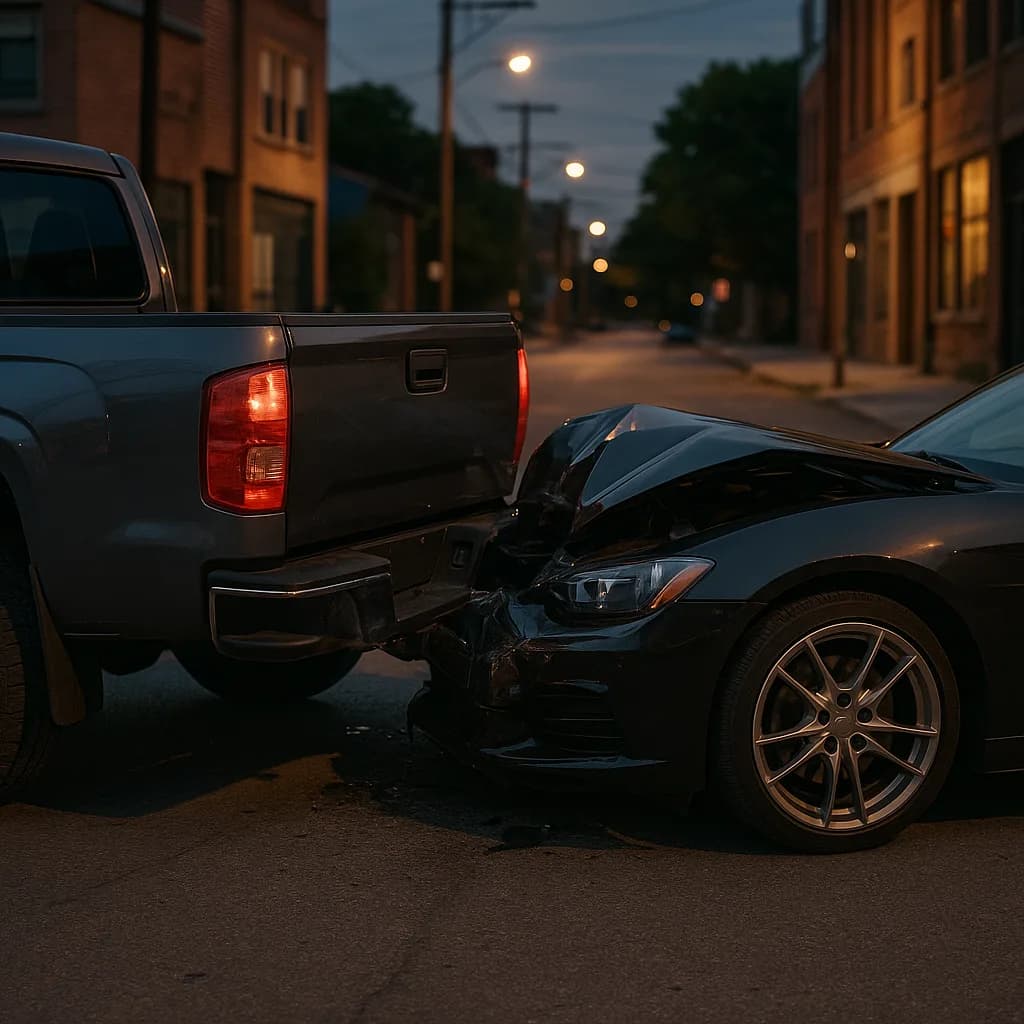
Pennsylvania's $15,000 per-person bodily injury limit hasn't changed since 1990. Adjusted for medical inflation, that 1990 limit would need to be $35,000 today to cover the same injury costs. A single emergency room visit after a moderate collision averages $8,200–$14,500 in Pennsylvania. Ambulance transport adds $900–$1,400. If the other driver sustains any injury requiring overnight observation, you've likely exceeded your policy limit.
The $5,000 property damage minimum is even more problematic. The average vehicle on Pennsylvania roads is now worth approximately $28,000. If you cause a collision with a newer SUV or truck, $5,000 covers roughly 18% of a total loss. The remaining $23,000 becomes your personal liability, and Pennsylvania permits wage garnishment and asset liens to collect unsatisfied judgments.
Pennsylvania's Full Tort system compounds this exposure. If you carry minimum coverage and injure someone who selected Full Tort (about 62% of Pennsylvania drivers), they can sue you for pain and suffering with no threshold. Even a soft-tissue injury claim can generate a settlement demand of $35,000–$75,000. Your $15,000 policy pays first; you're personally liable for the rest unless you have substantial umbrella coverage.
The Break-Even Calculation Most Drivers Skip
Moving from 15/30/5 to 100/300/100 liability costs an additional $22–$34/mo on average in Pennsylvania — roughly $264–$408 per year. To determine whether minimum coverage actually saves you money, compare that annual difference against your personal liability exposure in a realistic accident scenario.
If you own a home with equity, have retirement accounts, or earn above median income, a single excess judgment can cost $40,000–$150,000 in Pennsylvania. That judgment risk appears in even moderate accidents: rear-ending a vehicle with two occupants who visit the ER, hitting a parked luxury vehicle, or causing an accident that totals a financed SUV. Paying an extra $300/year eliminates exposure that could cost 100–500 times that amount.
The calculus changes if you're judgment-proof: minimal assets, income near or below garnishment thresholds, and no home equity. In that scenario, minimum coverage paired with uninsured motorist protection often makes financial sense. But if you have anything to protect, the monthly savings evaporate the moment you cause an accident that exceeds $20,000 in damages — a threshold crossed in roughly 19% of Pennsylvania injury claims.
Minimum vs. Full Coverage: Where the Real Costs Hide
Adding collision and comprehensive to minimum liability — creating what's commonly called full coverage — typically increases your premium by 160–210% in Pennsylvania. A $65/mo minimum liability policy becomes $169–$201/mo once you add physical damage coverage with a $500 deductible. That math makes full coverage unaffordable or illogical for older vehicles worth less than $4,000.
But the coverage tiers between minimum liability and full coverage often deliver better value than either extreme. Raising liability to 100/300/100 while skipping collision costs only $87–$99/mo on average — a 34–52% increase over minimums that eliminates most personal financial risk. Adding uninsured motorist coverage at 100/300 adds just $9–$14/mo but protects you when hit by one of Pennsylvania's estimated 6–8% uninsured drivers.
Pennsylvania's hybrid no-fault system makes medical payments coverage particularly valuable. Adding $10,000 in medical payments to a minimum liability policy costs $11–$16/mo but covers your injuries regardless of fault, often faster than health insurance processes claims. If you selected Limited Tort to save money, medical payments coverage becomes essential — it's the only way to access immediate injury compensation without proving serious injury or suing.
How to Find the Cheapest Minimum Coverage
Erie Insurance, GEICO, and State Farm dominate Pennsylvania's low-cost minimum coverage market, but the cheapest carrier varies dramatically by county and age. Erie typically wins in rural and suburban markets for drivers over 30. GEICO prices most competitively in Philadelphia, Pittsburgh, and for drivers under 25. State Farm often quotes lowest for drivers with bundled home insurance or multiple vehicles.
Direct comparison is essential because rate spreads exceed 40% between carriers for identical minimum coverage. A 28-year-old in Harrisburg might see quotes ranging from $61/mo (GEICO) to $104/mo (Allstate) for the same 15/30/5 policy. Those spreads widen further if you have any violations: a single speeding ticket can shift the cheapest carrier from Erie to Progressive overnight.
Payment frequency affects total cost more than most drivers realize. Paying annually rather than monthly saves 8–12% with most carriers — on a $68/mo policy, that's $65–$98/year. Automatic EFT payments save another 3–5%. Digital policy delivery, paperless billing, and telematics programs like Snapshot or Drivewise can combine for another 12–18% discount. On minimum coverage, these stackable discounts often matter more than carrier choice.