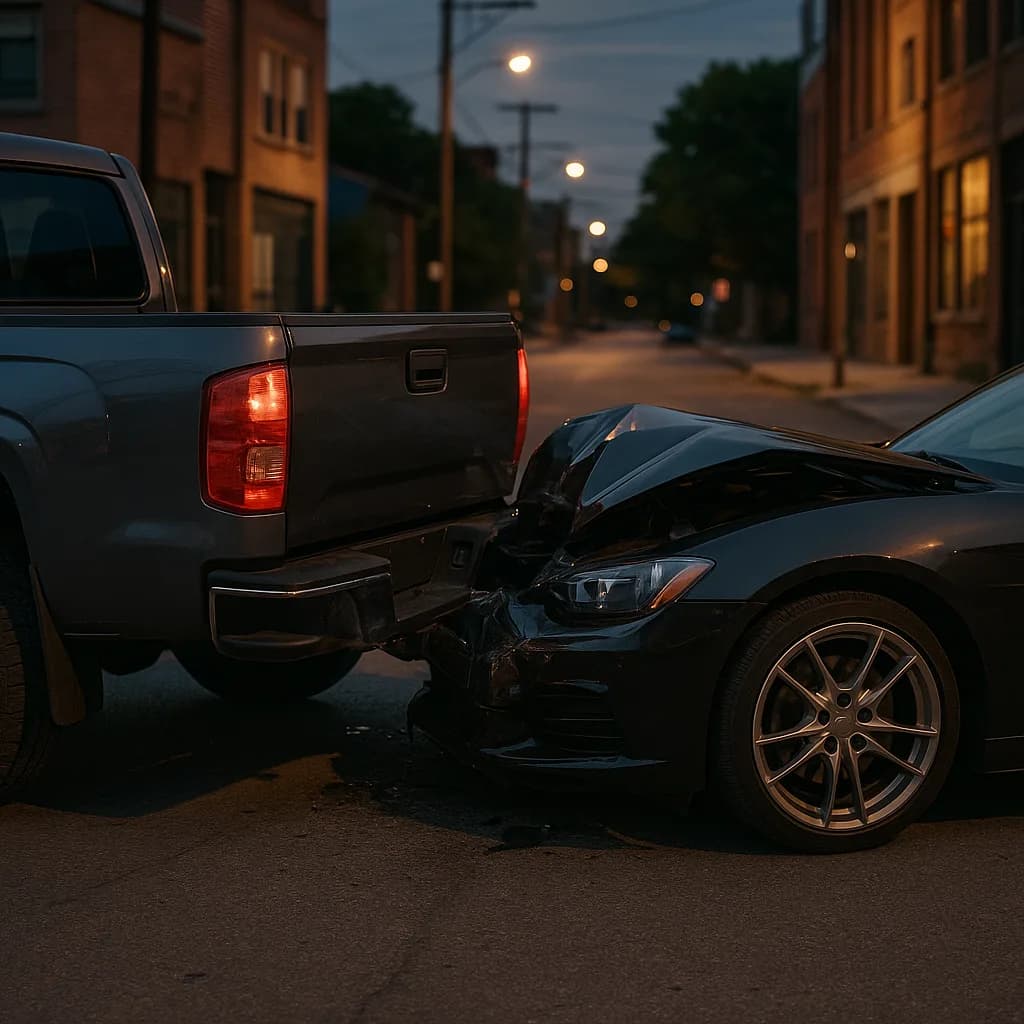
Most claim delays happen in the first 48 hours due to missing documentation and poor adjuster communication. This guide shows you how to avoid them with a timeline-based filing approach.
Why Most Claims Stall in the First 48 Hours
Insurance industry data shows that 67% of claim delays occur within the first two days of filing, primarily due to incomplete initial reports and failed communication attempts with adjusters. The difference between a claim that settles in 10 days and one that drags for 45 often comes down to what you document in the first hour after an accident.
The standard advice — "call your insurer immediately" — misses the critical step: gathering verifiable evidence before that call. Adjusters need six specific data points to start processing without sending follow-up requests: date and exact time, precise location with cross streets or GPS coordinates, all driver and vehicle information, witness names and contact details, police report number if applicable, and photos showing damage context and scene layout.
When any of these elements are missing from your initial report, the claim enters a documentation loop that typically adds 12 to 21 days to the settlement timeline. This guide walks through the exact sequence that minimizes that risk.
The 30-Minute Evidence Collection Window
Before contacting your insurance company, spend up to 30 minutes at the accident scene gathering documentation that cannot be recreated later. Start with photos: take at least 12 images showing all vehicle damage from multiple angles, the position of vehicles relative to traffic signs or lane markings, skid marks or debris, and license plates of all involved vehicles.
Capture the broader scene context. Adjusters frequently dispute fault when photos show only vehicle damage without environmental reference points. Include traffic signals, street signs, road conditions, and weather conditions if relevant. If the other driver admits fault verbally, note the exact wording immediately in your phone — verbal admissions lose detail rapidly and won't be admissible later without precise documentation.
Exchange information methodically. Collect the other driver's full legal name as it appears on their license, insurance company name and policy number, driver's license number and state, vehicle make, model, year, and VIN, and phone number and address. If passengers were present in either vehicle, collect their names and contact information as potential witnesses. Write down or photograph everything rather than relying on memory.
If police respond, obtain the report number and the responding officer's name and badge number before leaving the scene. In states where police don't respond to minor accidents, note that explicitly in your documentation — insurers handle these cases differently.
Compare auto insurance rates in your state
Get matched with licensed carriers in minutes. One short form, real quotes, no obligation.
Get Your Free Quote✓ Free to Compare✓ No Obligation✓ Licensed Carriers✓ TCPA Compliant
Filing Your Claim: The Exact Information Insurers Need
Most insurers offer three filing channels: phone, mobile app, and online portal. Phone claims typically connect you with an adjuster within 15 minutes but require you to have all documentation accessible during the call. Mobile apps allow photo uploads in real time but may route you to a generic claims queue rather than assigning a dedicated adjuster immediately. Online portals create a written record of your initial report but often lack immediate human follow-up.
When you file, provide a factual narrative without speculation about fault. State what happened in chronological order: where you were traveling, what you observed, what actions you took, and what occurred as a result. Avoid phrases like "I think" or "maybe" — stick to observable facts. If you don't know something, state that clearly rather than guessing.
Your insurer will ask whether you want to file under collision coverage, liability coverage, or both. If another driver was clearly at fault and has insurance, you can file a third-party claim directly with their insurer to avoid using your collision coverage and paying your deductible. However, third-party claims typically take 18 to 35 days longer to settle than first-party claims because the other insurer has less incentive to process quickly.
Request a claim number and the name and direct contact information for your assigned adjuster before ending the initial filing call. Ask for the adjuster's email address specifically — email creates a documentation trail that phone calls don't.
Managing the Adjuster Inspection and Estimate Process
After filing, an adjuster will contact you within 24 to 72 hours to schedule a vehicle inspection. This timeline varies by state — some states mandate first contact within 24 hours. Adjusters typically offer inspection appointments within 3 to 5 business days, but you can request mobile inspection where the adjuster comes to your location, which often happens within 48 hours.
During the inspection, the adjuster photographs damage, writes an initial estimate, and determines whether the vehicle is repairable or a total loss. Total loss thresholds vary by state but typically occur when repair costs exceed 70% to 80% of the vehicle's actual cash value. If your car is deemed a total loss, the insurer will offer a settlement based on comparable vehicle sales in your area, not the amount you paid or still owe.
You have the right to obtain independent repair estimates before accepting the adjuster's assessment. If your chosen repair shop's estimate exceeds the insurer's by more than $500, provide the shop's detailed line-item estimate to your adjuster for review. Insurers will negotiate but rarely approve estimates that include aftermarket upgrades or non-accident-related repairs.
Set a specific follow-up schedule with your adjuster. Ask: "When will I receive the written estimate? When can I authorize repairs? What's the expected settlement timeline?" Document the answers. If the adjuster misses a promised deadline by more than 48 hours, escalate to their supervisor — contact information should be in your policy documents or available through the main claims line.
Common Documentation Mistakes That Delay Payment
The most frequent error is failing to document pre-existing damage. If your vehicle had prior damage in the same area as the new accident, adjusters will reduce the payout to exclude pre-existing issues. Always note and photograph your vehicle's condition before an accident when possible, or immediately state any pre-existing damage during the initial claim report.
Medical claims require specific documentation that property damage claims don't. If you're injured, visit a healthcare provider within 72 hours and explicitly state that the visit relates to the accident. Medical records that don't reference the accident may not be covered. Keep all receipts, medical bills, and pharmacy receipts — submit copies, not originals, and keep a full set for your records.
Rental car coverage requires pre-authorization in most policies. If you need a rental while your car is being repaired, confirm coverage limits before renting. Typical policies cover $30 to $50 per day for up to 30 days, but you'll pay out of pocket for any amount exceeding that limit. Enterprise and Hertz often have direct billing arrangements with major insurers that streamline this process.
Missed communication attempts are the second-leading cause of delays after incomplete initial reports. Respond to adjuster calls, emails, and requests within 24 hours. If you can't provide requested documentation immediately, reply confirming receipt and stating when you'll follow up. Silence triggers automatic escalation processes that add review layers and slow settlement.
Settlement Timeline Expectations by Claim Type
Property damage claims with clear liability and no disputes typically settle within 10 to 15 days from the date of initial filing. This assumes prompt adjuster inspection, no supplemental damage discovered during repairs, and no coverage disputes. Claims involving multiple vehicles or disputed fault extend this to 25 to 40 days on average.
Injury claims take significantly longer — minor injury claims average 60 to 90 days, while claims involving ongoing treatment or permanent injury can extend beyond 12 months. Insurers cannot finalize injury settlements until you've completed treatment and reached maximum medical improvement, as settling early forfeits your right to claim additional damages later.
Total loss claims settle faster than repair claims when there's no financing dispute. If you own your vehicle outright, expect settlement within 15 to 20 days. If you have an outstanding loan or lease, the insurer pays the lienholder first, and you receive the difference between the settlement amount and your loan balance. If you owe more than the settlement amount — known as being "upside down" — gap insurance covers that difference if you purchased it.
State regulations impose maximum response and settlement timelines that vary significantly. Some states require insurers to acknowledge claims within 15 days and settle or deny within 30 days of receiving complete documentation, while others allow 45 to 60 days. If your insurer exceeds your state's mandated timeline, file a complaint with your state's department of insurance — this often accelerates resolution.
When to Escalate or Seek External Help
If your claim remains unresolved 30 days beyond your state's mandated settlement period, or if your insurer denies a claim you believe should be covered, you have three escalation options. First, request a formal written explanation of the denial citing specific policy language. Denials based on vague reasoning or general exclusions may be overturned on appeal.
Second, file a complaint with your state's department of insurance. Most states allow online complaint submission with response timelines of 15 to 30 days. Insurers respond to regulatory complaints more urgently than customer service escalations because unresolved complaints affect their licensing and market conduct ratings.
Third, consult an attorney specializing in insurance claims if the dispute involves significant injury, total loss disputes exceeding $10,000, or bad faith denial. Most personal injury attorneys work on contingency, taking 25% to 40% of the settlement, so they only accept cases where the disputed amount justifies their involvement. For property damage disputes under $10,000, small claims court is often more cost-effective than hiring an attorney. compare quotes