What Affects Rates in Ketchikan
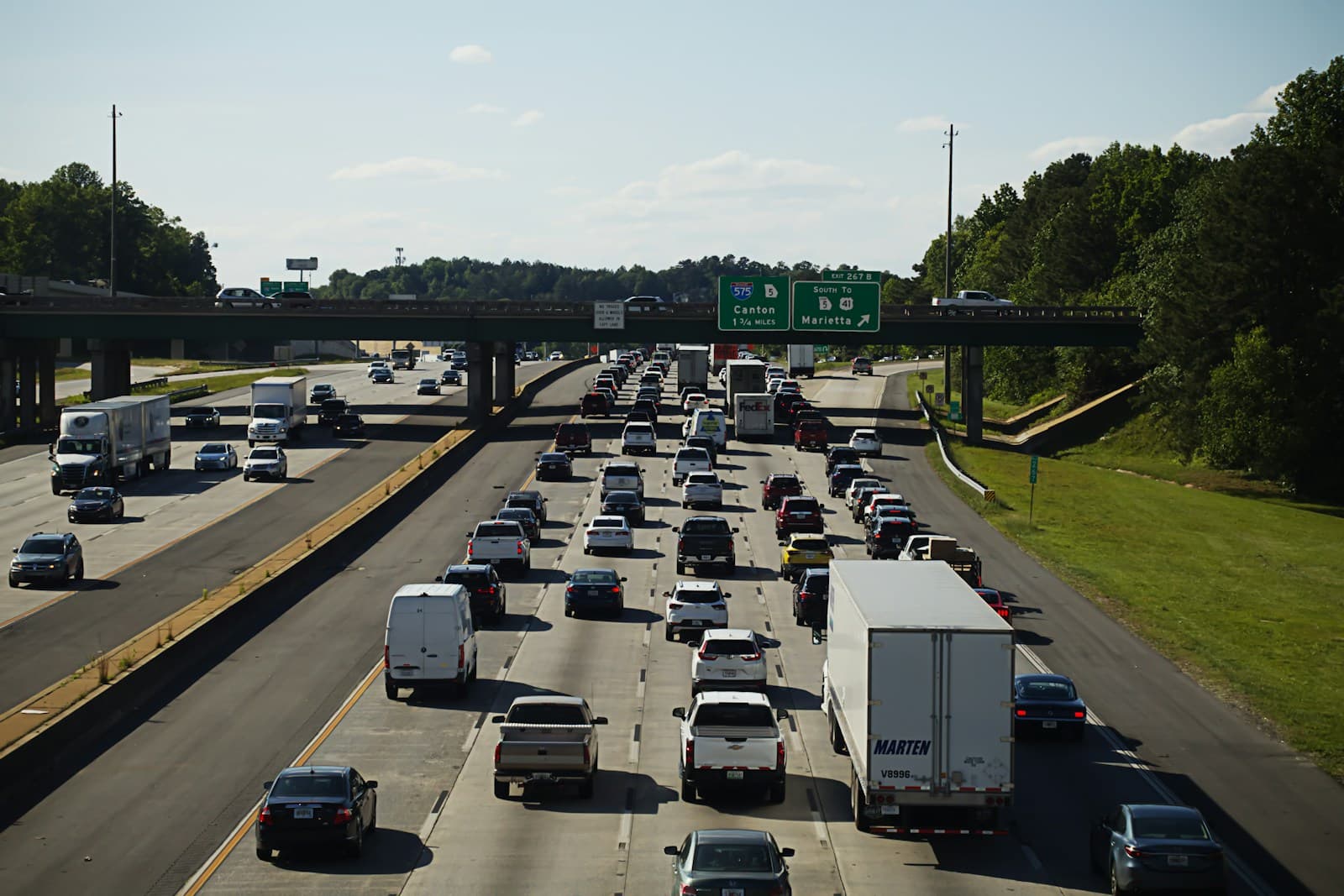
- Nearly all local traffic flows along the Tongass Highway corridor stretching from Saxman through downtown to North Tongass. This 20-mile stretch concentrates accident risk, with seasonal tourist traffic and cruise ship passenger vehicles significantly increasing congestion May through September. Limited alternate routes mean any incident creates bottlenecks.
- Ketchikan's isolation requires ferry transport for vehicle access to the mainland, adding expense to collision repairs requiring parts or specialist services. The Alaska Marine Highway System schedules influence repair timelines. Comprehensive coverage becomes more valuable when a totaled vehicle means weeks without replacement options.
- Ketchikan averages over 150 inches of rain annually, among the highest in North America. Year-round wet conditions increase hydroplaning risk, reduce visibility, and accelerate rust on older vehicles. Comprehensive claims for weather damage—flooding, landslide debris, falling trees—occur more frequently than in drier Alaska regions.
- With only a handful of body shops and no dealership collision centers, repair capacity is constrained. Parts must be shipped via ferry or air freight, extending repair times and increasing costs. Insurers price this into comprehensive and collision premiums, contributing to rates 10–20% above Anchorage.
- Cruise ship arrivals bring 1 million visitors annually to a town of 8,000, flooding downtown streets and the Tongass corridor with rental vehicles and shuttles. Summer accident frequency spikes, particularly near the Berth 1–4 area and Creek Street, affecting liability risk profiles for resident drivers.
Compare auto insurance rates in your state
Get matched with licensed carriers in minutes. One short form, real quotes, no obligation.
Get Your Free QuoteCoverage Recommendations
Cost estimates are based on available industry data and vary by driver profile. These are not insurance quotes.
Liability Insurance
Tourist pedestrian traffic in downtown and cruise terminal zones increases third-party injury exposure for Ketchikan drivers.
$35–$60/moEstimated range only. Not a quote.
Full Coverage
Essential for financed vehicles given Ketchikan's extended repair timelines and high rainfall-related comprehensive claims.
$95–$145/moEstimated range only. Not a quote.
Comprehensive Coverage
Ketchikan's 150+ inches of annual rain and deer population along Tongass Highway make comprehensive claims more frequent than in drier regions.
$25–$45/moEstimated range only. Not a quote.
Collision Coverage
Limited body shop capacity and ferry-dependent parts delivery extend repair times, making rental reimbursement add-ons particularly valuable here.
$40–$70/moEstimated range only. Not a quote.
Uninsured Motorist
Ferry visitors and seasonal workers contribute to a transient vehicle population with variable insurance compliance rates.
$15–$30/moEstimated range only. Not a quote.