
What Affects Rates in New Haven
- The I-95 corridor through New Haven sees over 150,000 vehicles daily, with frequent backups at the I-91 interchange and Route 34 merge. Morning and evening congestion on the Pearl Harbor Memorial Bridge (Q Bridge) creates elevated rear-end collision rates. Drivers commuting through downtown or accessing Yale-New Haven Hospital face stop-and-go conditions that increase accident frequency and premium costs.
- Vehicle theft and break-ins concentrate along the Chapel Street corridor, Dwight neighborhood, and downtown parking structures near Union Station. The proximity to I-95 makes New Haven a target for organized theft operations. Comprehensive coverage costs reflect these risks, particularly for vehicles parked overnight in Fair Haven, the Hill, and Newhallville neighborhoods.
- East Rock and Westville residents see rates 15–20% lower than Fair Haven or downtown ZIP codes due to lower claim density and theft rates. Wooster Square's narrow streets and limited parking increase minor collision claims. Hamden border areas near Sleeping Giant State Park show suburban-level rates, while Downtown and Medical District areas carry urban premiums.
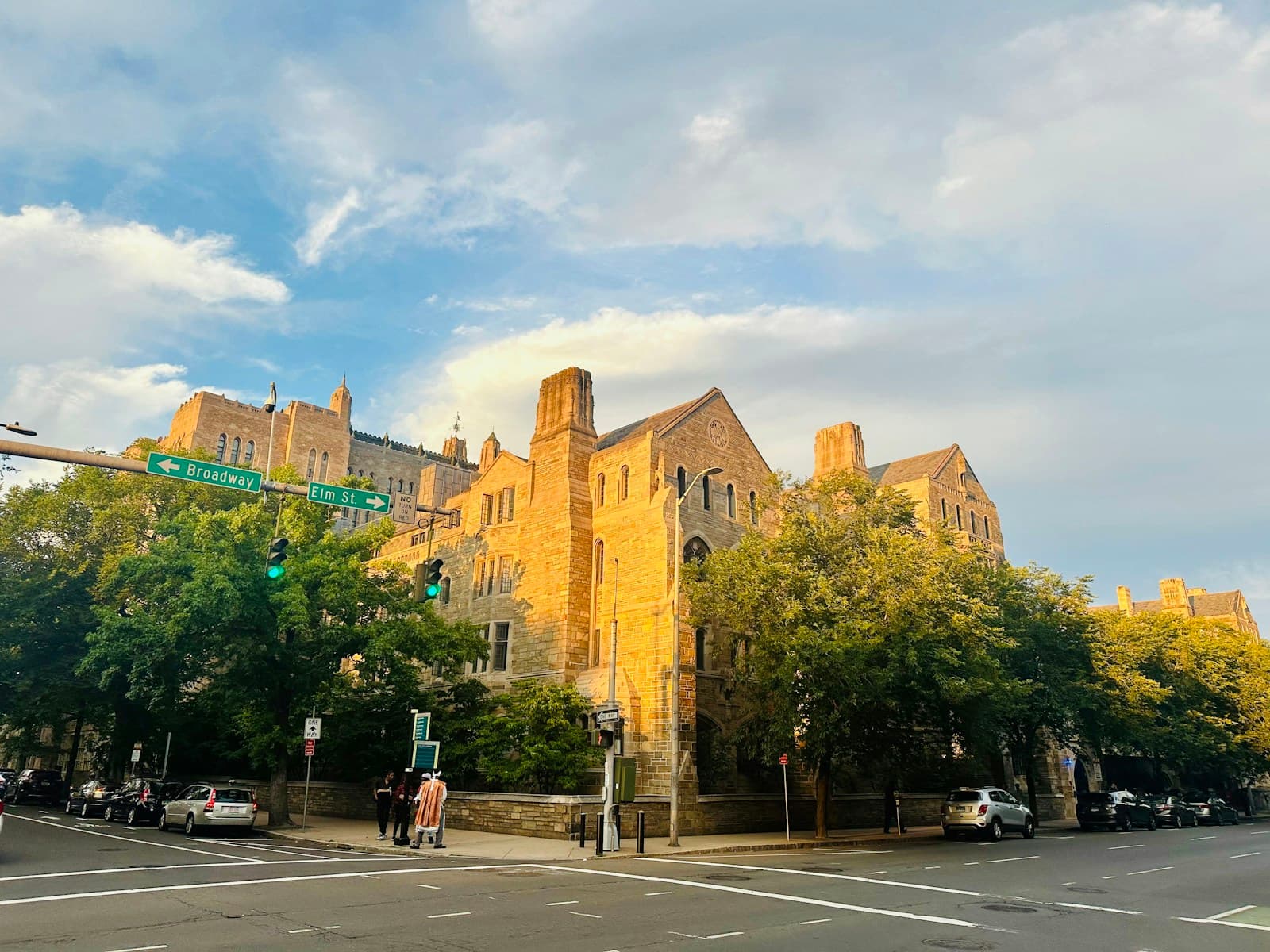
- Yale University's campus generates dense pedestrian and vehicle traffic across downtown, particularly on York, Elm, and Whitney corridors. Yale-New Haven Hospital's 24/7 operations create consistent traffic volume on Congress Avenue and Park Street. High pedestrian density increases liability risk and influences rates for drivers who regularly navigate these areas.
- New Haven Harbor and proximity to Long Island Sound create flooding risks during nor'easters and tropical systems. Low-lying areas near the Quinnipiac River and City Point experience periodic storm surge. Comprehensive coverage costs factor in these flood and wind damage risks, particularly for vehicles parked near the waterfront or in Shore Line East station lots.
Compare auto insurance rates in your state
Get matched with licensed carriers in minutes. One short form, real quotes, no obligation.
Get Your Free QuoteCoverage Recommendations
Cost estimates are based on available industry data and vary by driver profile. These are not insurance quotes.
Liability Insurance
High pedestrian density near Yale campus and congested Chapel Street corridor increase liability exposure for New Haven drivers.
$800–$1,300/yearEstimated range only. Not a quote.
Full Coverage
Essential for New Haven drivers facing both theft risk in downtown areas and collision exposure on I-95 and Route 34.
$1,800–$2,600/yearEstimated range only. Not a quote.
Comprehensive Coverage
Vehicle theft near Union Station and Route 34, plus coastal storm flooding in City Point and harbor areas, make this critical.
$400–$700/yearEstimated range only. Not a quote.
Collision Coverage
Q Bridge congestion, I-91/I-95 interchange accidents, and tight downtown parking make collision claims common in New Haven.
$600–$1,100/yearEstimated range only. Not a quote.
Uninsured Motorist Coverage
Connecticut requires this coverage, particularly valuable given I-95 through-traffic from states with higher uninsured driver rates.
$150–$300/yearEstimated range only. Not a quote.