
What Affects Rates in Savannah
- Savannah sits just 10 miles from the Atlantic, placing the entire metro area in FEMA flood zones that elevate comprehensive coverage costs. Hurricane-force winds and storm surge during tropical systems like Matthew (2016) and Irma (2017) generated thousands of vehicle claims. Carriers price this coastal exposure into premiums, particularly for drivers in low-lying areas near the Savannah River and Islands Expressway.
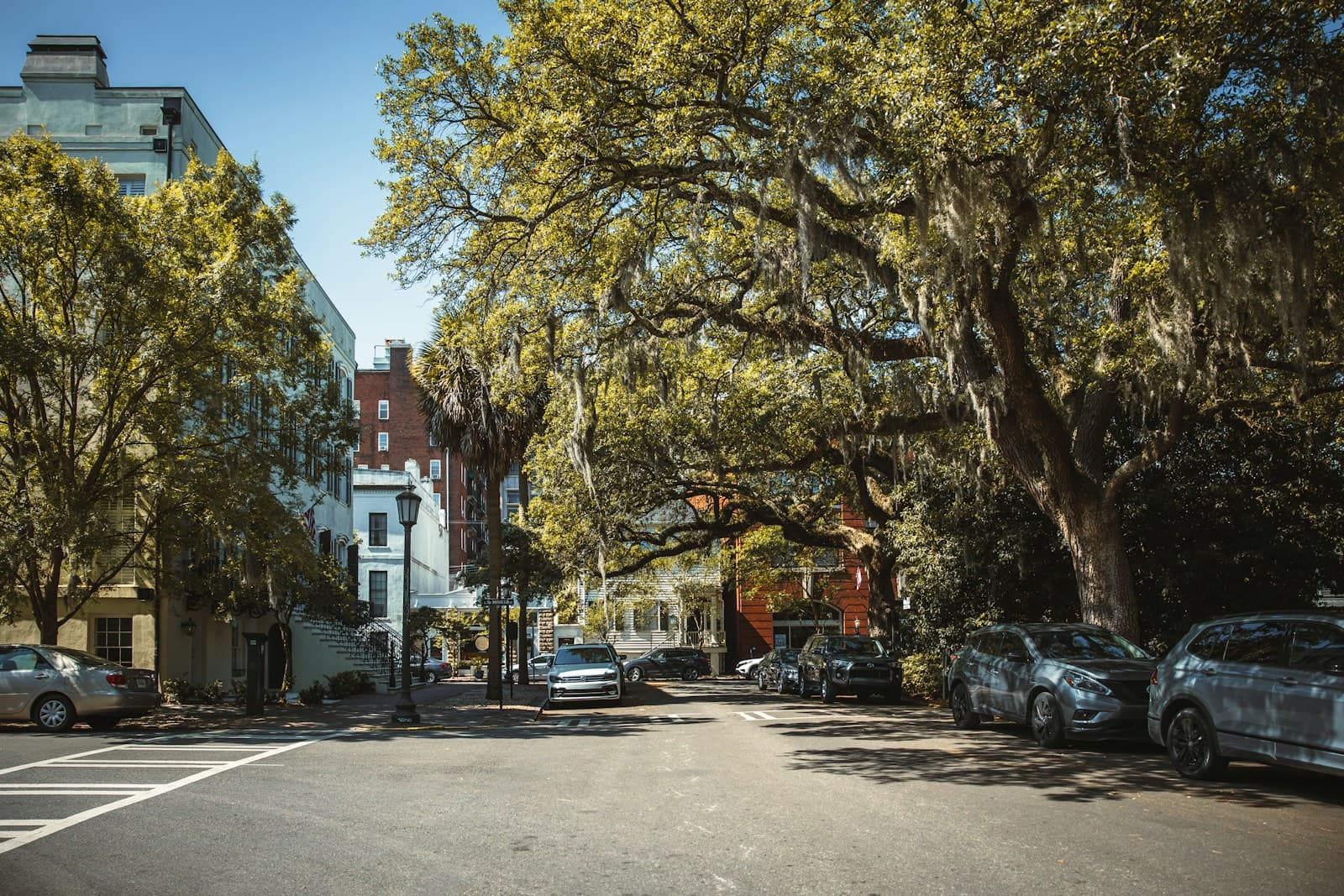
- The Historic District, City Market, and Victorian District report vehicle theft and break-in rates significantly above suburban Pooler or Port Wentworth. Street parking near River Street and Forsyth Park creates opportunity for smash-and-grab incidents. Comprehensive claims in zip codes 31401 and 31404 run 20-30% higher than the county average, impacting premiums for downtown residents.
- I-16 serves as Savannah's primary east-west artery, carrying commuter traffic from Pooler, Bloomingdale, and western suburbs into downtown. Accident frequency peaks during rush hour between Dean Forest Road and Lynes Parkway. I-95's role as a major freight corridor through Chatham County adds truck-related collision risk, particularly near the I-16/I-95 interchange, increasing liability costs for daily commuters.
- The Port of Savannah generates heavy commercial vehicle traffic along Jimmy DeLoach Parkway, Bay Street, and GA-21. Container trucks moving between the Garden City Terminal and I-95 create elevated collision exposure for drivers commuting through port zones. This commercial density contributes to higher collision claim frequency in the industrial corridors east of downtown.
- Chatham County's uninsured motorist rate sits near 12%, slightly above the Georgia average, with higher concentrations in west Savannah neighborhoods. Collision claims involving uninsured drivers are more frequent on arterials like Abercorn Street and Victory Drive. Uninsured/underinsured motorist coverage remains essential for drivers in these high-traffic zones.
Compare auto insurance rates in your state
Get matched with licensed carriers in minutes. One short form, real quotes, no obligation.
Get Your Free QuoteCoverage Recommendations
Cost estimates are based on available industry data and vary by driver profile. These are not insurance quotes.
Liability Insurance
Essential for navigating Savannah's congested I-16 corridor and high-traffic downtown streets where collision frequency spikes during tourist season.
$600–$950/yearEstimated range only. Not a quote.
Full Coverage
Critical for Savannah drivers facing coastal flood risk, hurricane exposure, and elevated theft rates in Historic District parking areas.
$1,450–$2,200/yearEstimated range only. Not a quote.
Comprehensive Coverage
Addresses Savannah's hurricane-force wind risk, coastal flooding during tropical systems, and vehicle break-ins near River Street and City Market.
$400–$650/yearEstimated range only. Not a quote.
Collision Coverage
Valuable on I-16 and I-95 where freight traffic and rush-hour congestion between Pooler and downtown create frequent rear-end and merge collisions.
$550–$850/yearEstimated range only. Not a quote.
Uninsured Motorist Coverage
Recommended for Savannah drivers given Chatham County's 12% uninsured rate and higher claim frequency on Abercorn Street and Victory Drive.
$150–$300/yearEstimated range only. Not a quote.