What Affects Rates in Idaho Falls
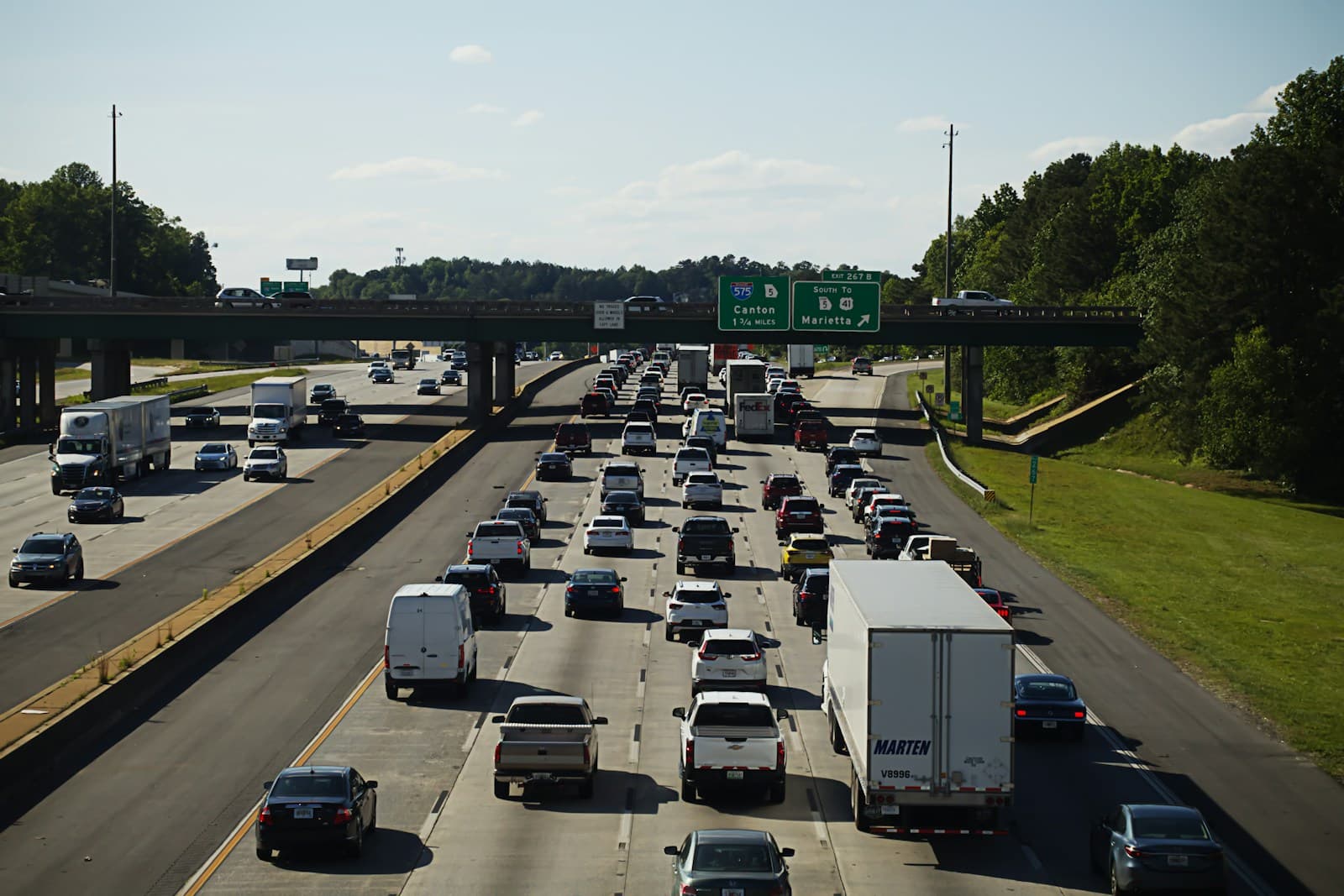
- I-15 runs north-south through Idaho Falls, carrying heavy commercial truck traffic and tourists heading to Yellowstone and Grand Teton. US-20 (Broadway and Yellowstone Highway) sees elevated collision rates during summer tourism peaks and winter black ice conditions. Higher accident frequency along these corridors increases rates for drivers living near exits and intersections.
- Idaho Falls averages 40+ inches of snow annually, with frequent ice storms between December and February. Black ice on Snake River bridges and elevated overpasses causes multi-vehicle pileups, particularly on the Broadway Bridge and Lindsay Boulevard interchange. Comprehensive and collision coverage costs reflect seasonal claim spikes during freeze-thaw cycles.
- Eastern Idaho has above-average uninsured motorist rates, with rural commuters from Rexburg, Rigby, and Blackfoot often carrying minimum or no coverage. Accidents on Highway 26 and State Street involving out-of-county drivers increase the value of uninsured/underinsured motorist protection. Insurers adjust rates based on zip code exposure to these commuter routes.
- Rates differ sharply between neighborhoods. The Sunnyside and Lincoln Road areas see lower premiums due to newer infrastructure and lower theft rates. Older neighborhoods near downtown and the Snake River Greenbelt experience higher rates tied to vehicle break-ins and storm-related tree damage claims. Ammon and unincorporated Bonneville County areas adjacent to Idaho Falls may see 10–15% lower rates.
- Highway 26 and Hitt Road see frequent collisions involving farm equipment during planting and harvest seasons. Slow-moving tractors and wide implements create blind-spot hazards, particularly at dawn and dusk. Collision claims spike in spring and fall, influencing premiums for drivers commuting through agricultural zones east and west of the city.
Compare auto insurance rates in your state
Get matched with licensed carriers in minutes. One short form, real quotes, no obligation.
Get Your Free QuoteCoverage Recommendations
Cost estimates are based on available industry data and vary by driver profile. These are not insurance quotes.
Liability Insurance
Essential for I-15 and US-20 commuters facing high-speed semi-truck and tourist traffic with elevated multi-vehicle accident risk.
$35–$60/moEstimated range only. Not a quote.
Full Coverage
Recommended for Idaho Falls drivers navigating winter ice conditions, agricultural equipment conflicts, and high uninsured motorist rates on Highway 26.
$85–$145/moEstimated range only. Not a quote.
Comprehensive Coverage
Critical for winter ice storm damage, deer strikes on Bone Road and Hitt Road, and hail damage from summer thunderstorms.
$25–$45/moEstimated range only. Not a quote.
Collision Coverage
Valuable given black ice pileups on Snake River bridges and frequent rear-end collisions at US-20/I-15 interchange during tourist season.
$40–$75/moEstimated range only. Not a quote.
Uninsured/Underinsured Motorist
Strongly recommended due to high uninsured driver rates among rural commuters from Rigby, Rexburg, and Blackfoot on Highway 26 and State Street.
$15–$30/moEstimated range only. Not a quote.