What Affects Rates in Sioux City
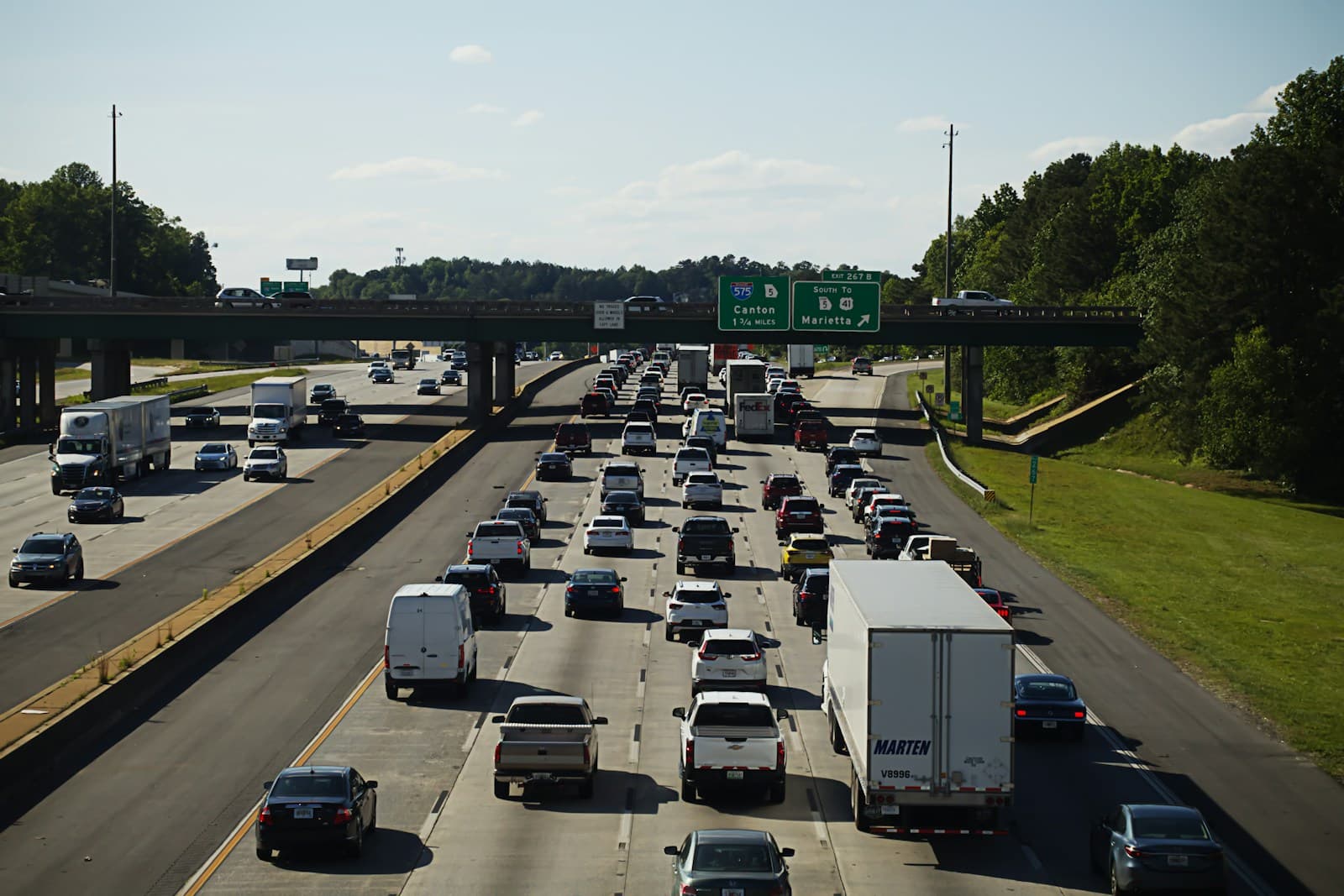
- Interstate 29 runs directly through Sioux City, carrying significant commercial truck traffic between Sioux Falls and Omaha. Accident frequency on the I-29/US-20 interchange and the Gordon Drive corridor increases collision claim rates. Rush hour congestion at Hamilton Boulevard and Singing Hills Boulevard exits contributes to higher premiums citywide.
- The 2011 Missouri River flooding caused extensive vehicle damage in riverside neighborhoods and industrial areas near Port Neal. Properties in Leeds, downtown riverfront areas, and portions of Southern Hills face higher comprehensive premiums due to recurring flood risk. Lenders often require comprehensive coverage in FEMA flood zones.
- Morningside and Southern Hills neighborhoods see lower rates due to newer infrastructure and lower claim frequency. Downtown and Leeds areas experience higher theft rates and vandalism claims, pushing premiums up 15–25%. Zip codes 51106 and 51108 typically show the lowest rates across coverage types.
- Sioux City averages 32 inches of snow annually, with ice storms creating hazardous conditions on Floyd Boulevard and Riverside Boulevard. Collision claims spike December through February, particularly on bridges over the Missouri and Big Sioux Rivers. Comprehensive coverage sees increased glass damage claims from road salt and debris.
- Woodbury County uninsured motorist rates run approximately 14–16%, slightly above Iowa's statewide average. I-29 cross-state traffic from South Dakota and Nebraska increases exposure to out-of-state uninsured drivers. Uninsured motorist coverage adds $8–$15/mo but protects against hit-and-run incidents common in downtown parking areas.

Compare auto insurance rates in your state
Get matched with licensed carriers in minutes. One short form, real quotes, no obligation.
Get Your Free QuoteCoverage Recommendations
Cost estimates are based on available industry data and vary by driver profile. These are not insurance quotes.
Liability Insurance
Iowa's minimum requirements may be insufficient for I-29 multi-vehicle crashes involving commercial trucks.
$45–$75/moEstimated range only. Not a quote.
Full Coverage
Essential for financed vehicles in flood-prone areas near the Missouri River and for drivers commuting on congested I-29 segments.
$95–$165/moEstimated range only. Not a quote.
Comprehensive Coverage
Critical for Sioux City drivers in Leeds and riverfront zones where 2011 flood losses exceeded $50 million across the metro.
$25–$50/moEstimated range only. Not a quote.
Collision Coverage
High-frequency crash locations include the I-29/US-20 interchange and Gordon Drive during winter conditions.
$40–$85/moEstimated range only. Not a quote.
Uninsured Motorist
Woodbury County's 14–16% uninsured rate and heavy I-29 cross-state traffic make this coverage valuable for Sioux City commuters.
$8–$15/moEstimated range only. Not a quote.