State Requirements
New Hampshire operates as an at-fault state and uniquely does not mandate auto insurance for all drivers — you can legally drive uninsured if you meet financial responsibility requirements. However, insurance becomes mandatory if you've had a DWI conviction, an at-fault accident, or specific license suspensions, and lienholders require coverage on financed vehicles. The New Hampshire Department of Safety oversees compliance and enforces financial responsibility laws.

Meeting the state minimum keeps you legal. See whether it's enough — get your New Hampshire quote.
Get your New Hampshire quoteCost Overview
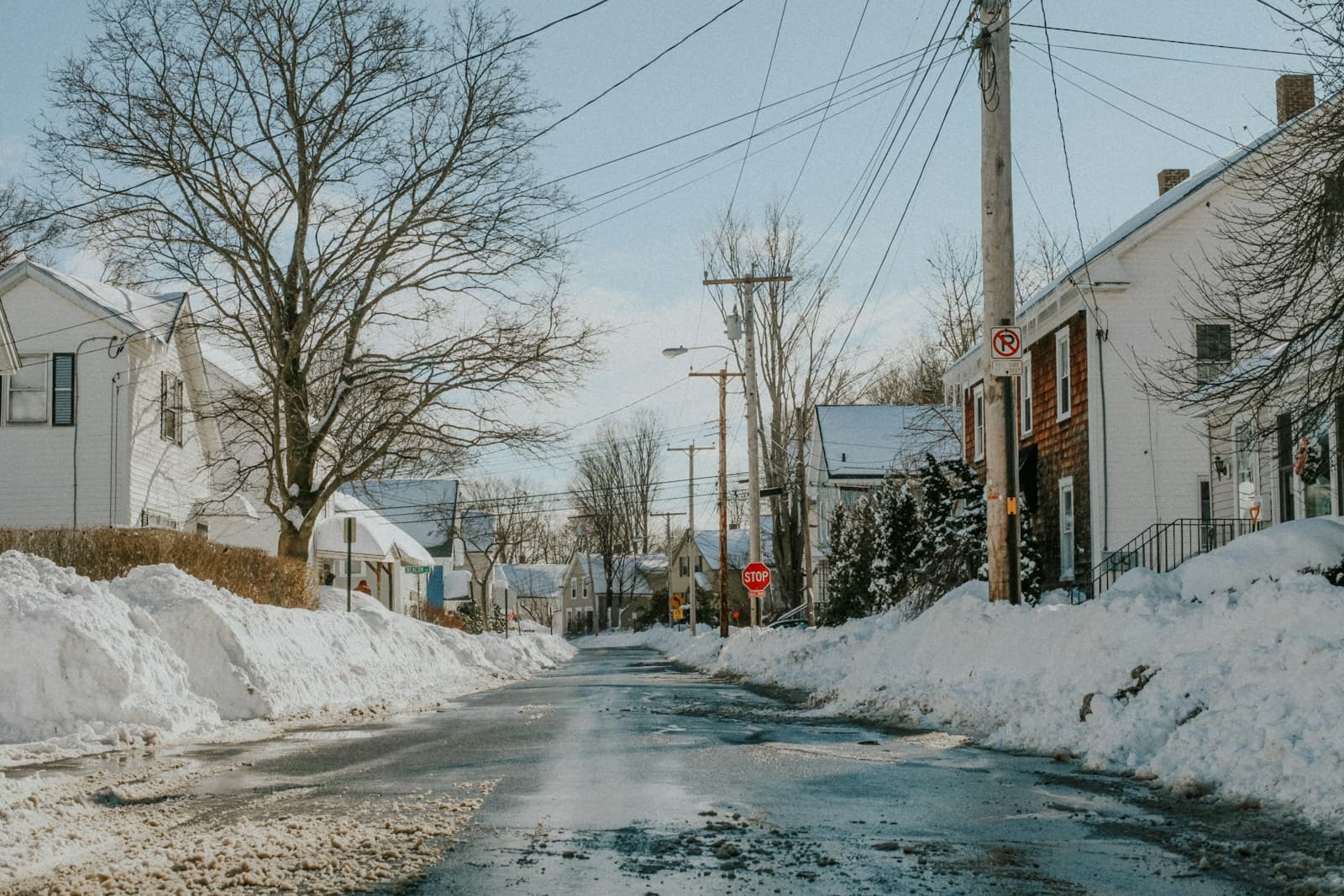
New Hampshire's insurance rates are influenced by its status as the only state without a universal insurance mandate, relatively low population density, harsh winter weather, and higher-than-average incomes. The state's uninsured driver rate — estimated at 8–11% compared to the national average of 12–13% — creates upward pressure on uninsured motorist premiums even as liability costs remain moderate.
What Affects Your Rate
- Winter weather conditions increase comprehensive claims by 20–30% annually, as snow, ice, and road salt contribute to collision frequency and vehicle damage across the state.
- Manchester and Nashua drivers pay 15–25% more than rural areas due to higher traffic density, collision rates, and vehicle theft frequency in urban southern corridors.
- New Hampshire's high median household income ($88,000+) correlates with ownership of newer, more expensive vehicles, raising collision and comprehensive premiums compared to states with lower vehicle values.
- The state's uninsured driver rate of 8–11% drives up uninsured motorist premiums by approximately $8–$15/month compared to states with stricter enforcement.
- Credit-based insurance scoring is permitted in New Hampshire, and drivers with excellent credit typically pay 30–50% less than those with poor credit for identical coverage.
- Annual mileage significantly impacts rates — drivers commuting from bedroom communities like Bedford or Londonderry to Boston face 10–20% higher premiums than those working locally.
Compare auto insurance rates in your state
Get matched with licensed carriers in minutes. One short form, real quotes, no obligation.
Get Your Free QuoteCoverage Types
Liability Insurance
Covers bodily injury and property damage you cause to others. New Hampshire's 25/50/25 minimum is only required after violations, but a single serious accident can result in six-figure damages.
Full Coverage
Combines liability, collision, and comprehensive insurance to protect both your financial responsibility to others and your own vehicle. Required by lenders and recommended for vehicles valued above $5,000.
Comprehensive Coverage
Pays for non-collision damage to your vehicle including weather events, falling objects, theft, vandalism, and animal strikes. Typically carries a deductible of $250–$1,000.
Uninsured Motorist Coverage
Protects you when an at-fault driver has no insurance or insufficient coverage to pay your medical bills and vehicle damage. Must be offered at your liability limits but can be declined.
Collision Coverage
Pays to repair or replace your vehicle after an accident with another car or object, regardless of fault. Required by lenders and recommended for vehicles worth more than $3,000–$5,000.