State Requirements
Oregon operates under a traditional at-fault tort liability system, meaning the driver responsible for an accident is liable for resulting damages. State law requires all drivers to carry proof of insurance or post a bond of $130,000, and officers can verify coverage electronically through the Oregon Division of Financial Regulation's database. Oregon enforces compliance through automatic license suspensions for lapses exceeding 30 days.
Meeting the state minimum keeps you legal. See whether it's enough — get your Oregon quote.
Get your Oregon quoteCost Overview
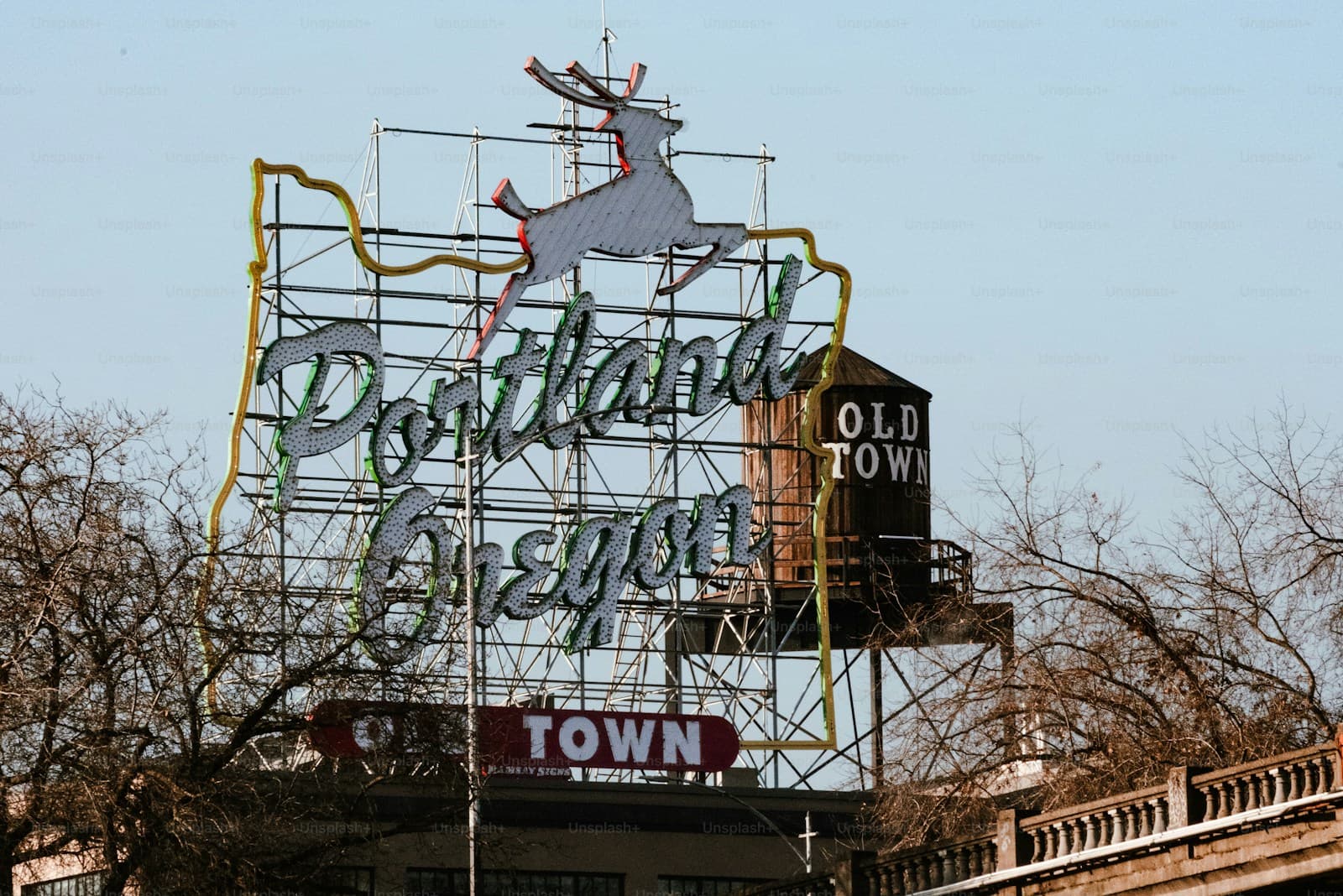
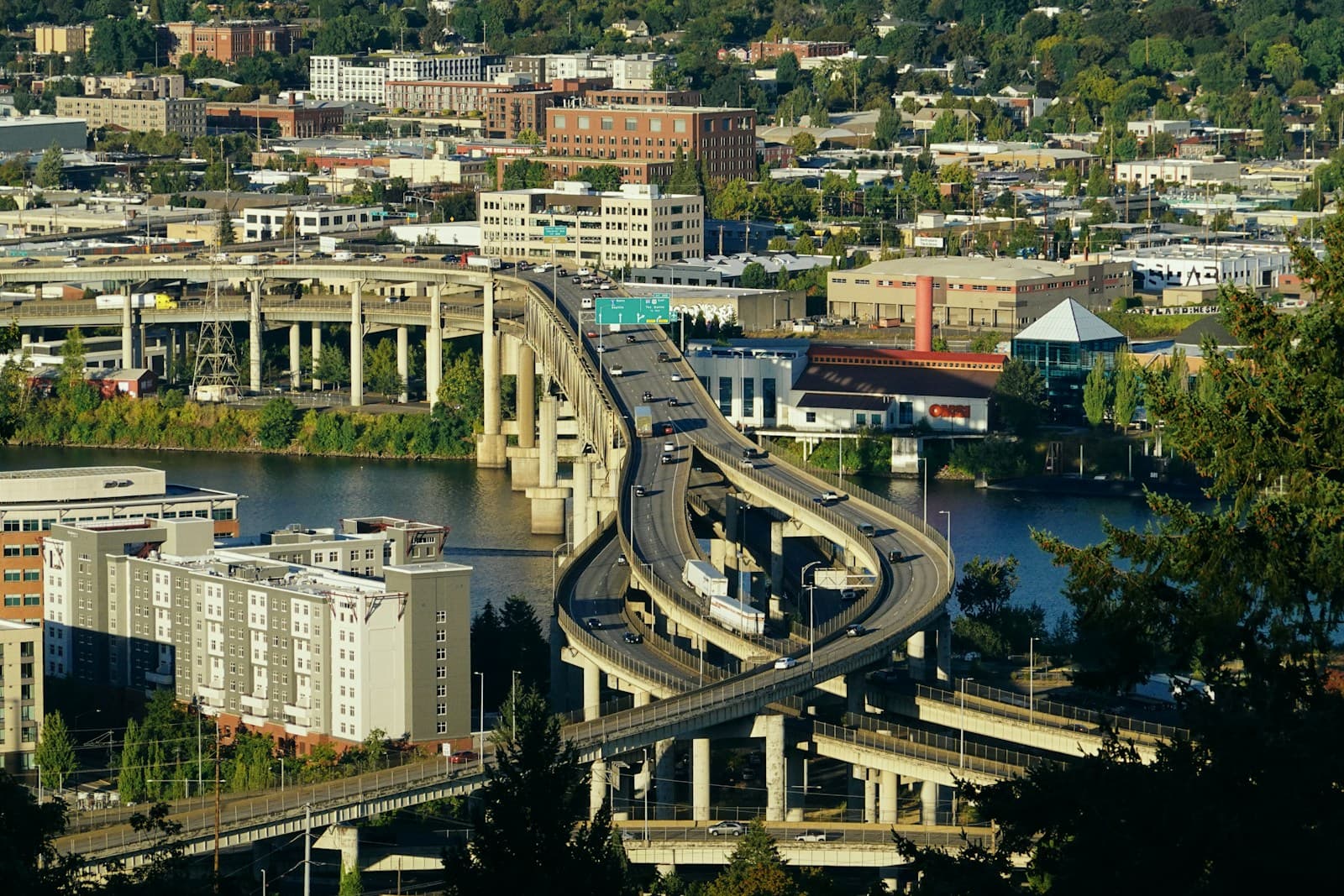
Oregon insurance rates reflect the state's mix of urban congestion in the I-5 corridor, high rates of uninsured drivers, and elevated vehicle theft in Portland metro. The state's wet climate also drives higher comprehensive claims for weather-related damage during fall and winter months.
What Affects Your Rate
- Portland metro drivers pay 25–35% more than rural Oregon residents due to higher collision frequency and vehicle theft concentrations in Multnomah County
- Oregon's 13% uninsured driver rate increases premiums statewide as insurers price in uninsured motorist claim risk
- Comprehensive claims spike in western Oregon counties during November–February due to severe storms, flooding, and falling tree debris
- Drivers with a single at-fault accident see rate increases of 30–50% at renewal, with surcharges typically lasting three years
- Urban theft risk elevates comprehensive premiums for popular theft targets — Honda Accords and CR-Vs stolen in Portland exceed 1,500 annually
- Credit-based insurance scores significantly impact Oregon rates, with poor credit doubling premiums compared to excellent credit for identical coverage
Compare auto insurance rates in your state
Get matched with licensed carriers in minutes. One short form, real quotes, no obligation.
Get Your Free QuoteCoverage Types
Liability Insurance
Covers injuries and property damage you cause to others in at-fault accidents. Oregon's 25/50/20 minimums provide inadequate protection — a two-car collision with injuries easily generates six-figure claims when you factor in medical costs, lost wages, and vehicle replacement.
Full Coverage
Combines liability, collision, comprehensive, uninsured motorist, and PIP into complete protection for both your vehicle and injury costs. Required by lenders for financed vehicles and recommended for any car worth more than $5,000.
Comprehensive Coverage
Pays for non-collision damage to your vehicle including theft, vandalism, weather events, animal strikes, and falling objects. Covers repair or replacement up to actual cash value minus your deductible.
Uninsured Motorist Coverage
Protects you when hit by a driver with no insurance or insufficient coverage to pay for your injuries. Covers medical expenses, lost income, and pain and suffering up to your policy limits.
Collision Coverage
Pays to repair or replace your vehicle after crashes with other vehicles or objects, regardless of fault. Particularly valuable for newer vehicles where replacement costs exceed $15,000–$20,000.
SR-22 Insurance
Not a separate coverage but a certificate filed with Oregon DMV proving you carry minimum liability insurance after serious violations like DUI, driving uninsured, or excessive points.