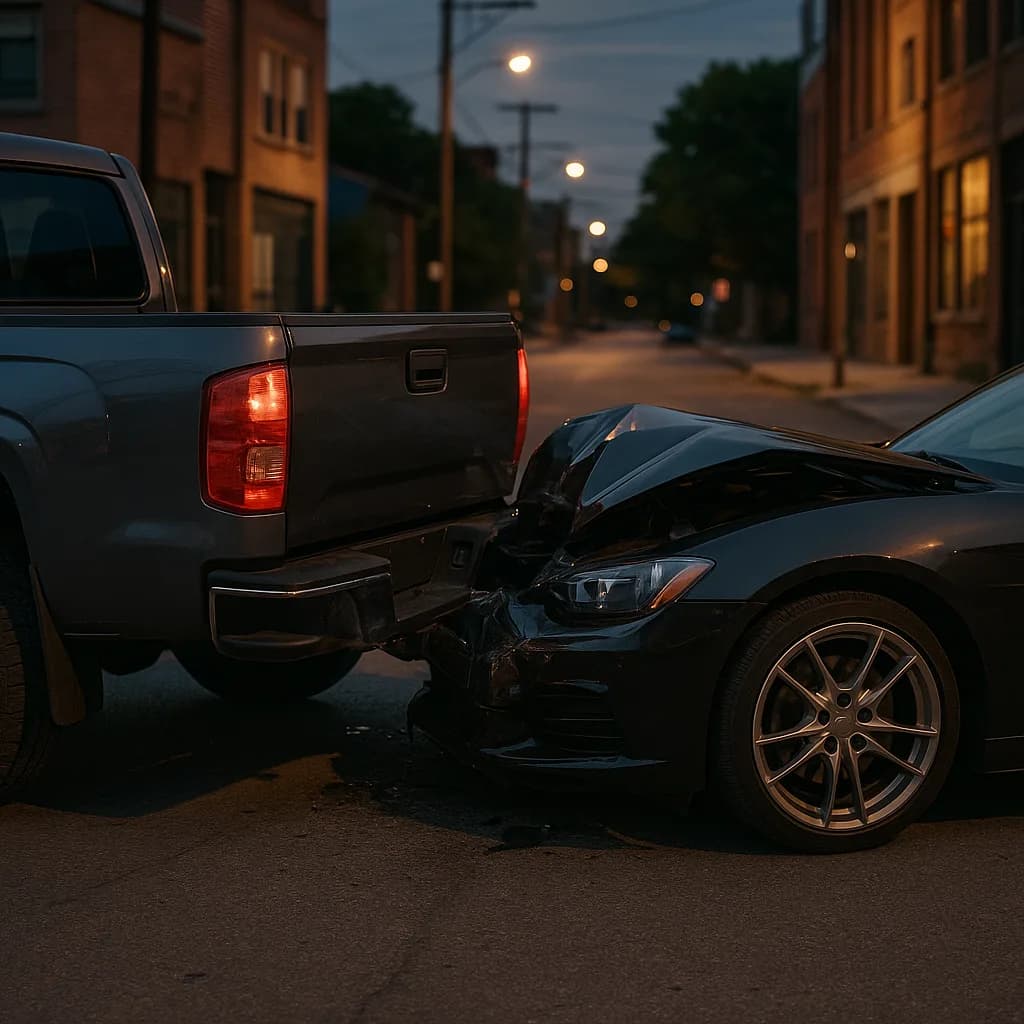
Virginia mandates liability minimums of 25/50/20, but also permits drivers to pay a $500 annual fee and drive uninsured. Here's why that option creates more risk than it solves, and what coverage you actually need.
Virginia's Minimum Liability Requirements
Virginia requires liability coverage of 25/50/20: $25,000 per person for bodily injury, $50,000 per accident for all injuries, and $20,000 for property damage. These limits apply when you cause an accident and are legally responsible for injuries or damage to others.
The state uses an electronic verification system that cross-references DMV registration records with insurer databases. If the system flags your vehicle as uninsured, you receive a notice requiring proof of coverage within a specified window. Missing that deadline triggers a registration suspension and a $500 reinstatement fee.
Virginia is an at-fault state, meaning the driver who causes the accident is financially responsible for all resulting damages. If your liability limits are lower than the actual damages, you pay the difference out of pocket. A single serious injury claim can exceed $25,000 in medical costs within hours of hospital admission.
The Uninsured Motorist Fee Option
Virginia allows drivers to pay a $500 annual fee to the DMV and operate without liability insurance. This is not insurance. It does not cover damages you cause. It simply allows you to register and drive a vehicle without meeting the liability requirement.
If you cause an accident while operating under the fee, you remain personally liable for all damages. The injured party can sue you directly, pursue wage garnishment, place liens on property, and seek collection for medical bills, lost wages, vehicle repairs, and pain and suffering. The fee does not cap your liability or provide any financial protection.
Only Virginia and New Hampshire permit this structure. Most drivers who choose the fee do so to avoid monthly premium costs, not realizing they've traded a manageable monthly expense for unlimited personal financial exposure. A single at-fault accident can result in judgments exceeding six figures.
Compare auto insurance rates in your state
Get matched with licensed carriers in minutes. One short form, real quotes, no obligation.
Get Your Free Quote✓ Free to Compare✓ No Obligation✓ Licensed Carriers✓ TCPA Compliant
What Happens When You Cause an Accident Without Insurance
If you operate under the uninsured motorist fee and cause an accident, the injured party files a claim directly against you. Virginia law permits them to pursue your assets, income, and future earnings to satisfy the judgment. Courts can authorize wage garnishment, bank account levies, and property liens.
Virginia does not discharge accident-related debt through bankruptcy in most cases. If the court finds you liable for $80,000 in damages and you have no insurance, that obligation follows you until paid in full. Payment plans exist, but they typically span years and accrue interest.
The DMV also suspends your license until you demonstrate financial responsibility for the damages caused. Reinstatement requires proof that the judgment has been satisfied or that a payment plan is in place and current. The suspension remains in effect regardless of whether you later purchase insurance.
Coverage Beyond State Minimums
The 25/50/20 minimum covers only a fraction of costs in serious accidents. Emergency room treatment for a single injury often exceeds $25,000. Multi-vehicle accidents with several injured parties can generate claims exceeding $100,000 before accounting for property damage.
Most carriers offer liability limits of 50/100/50, 100/300/100, or higher. The premium difference between minimum coverage and 50/100/50 is typically modest — often $15 to $30 per month — because the carrier's exposure to catastrophic claims decreases when you carry higher limits and they're covering a driver who chose not to operate uninsured.
Uninsured motorist coverage protects you when someone else causes an accident and lacks insurance or operates under the fee structure. Virginia does not require this coverage, but approximately 24% of Virginia drivers operate without liability insurance or under the fee option, according to Insurance Research Council estimates.
Proof of Insurance and Verification
Virginia requires proof of insurance at registration, renewal, and during traffic stops. The state's electronic verification system monitors compliance continuously. If your policy lapses or cancels, the insurer notifies the DMV within days.
You receive a notice requiring proof of continuous coverage for the flagged period. Acceptable proof includes a declaration page, insurance ID card, or a letter from your carrier on company letterhead confirming coverage dates and policy number. The notice specifies a response deadline, typically 30 days.
Failure to respond or provide acceptable proof triggers an automatic registration suspension and a $500 reinstatement fee. The suspension applies even if you had coverage but failed to provide documentation within the window. Reinstatement requires proof of current insurance and payment of the fee before the DMV restores your registration.
When Lenders and Leaseholders Require More
If you finance or lease your vehicle, the lender requires comprehensive and collision coverage in addition to liability. These coverages protect the lender's interest in the vehicle, not just third-party injury claims.
Comprehensive covers theft, vandalism, weather damage, and animal strikes. Collision covers damage from accidents regardless of fault. Lenders typically require a deductible no higher than $1,000 and name themselves as loss payee on the policy.
Once the loan is satisfied, you can drop these coverages if the vehicle's value no longer justifies the premium. A general rule: if the vehicle's market value is less than ten times the annual cost of comprehensive and collision premiums, consider dropping them and self-insuring for vehicle damage.